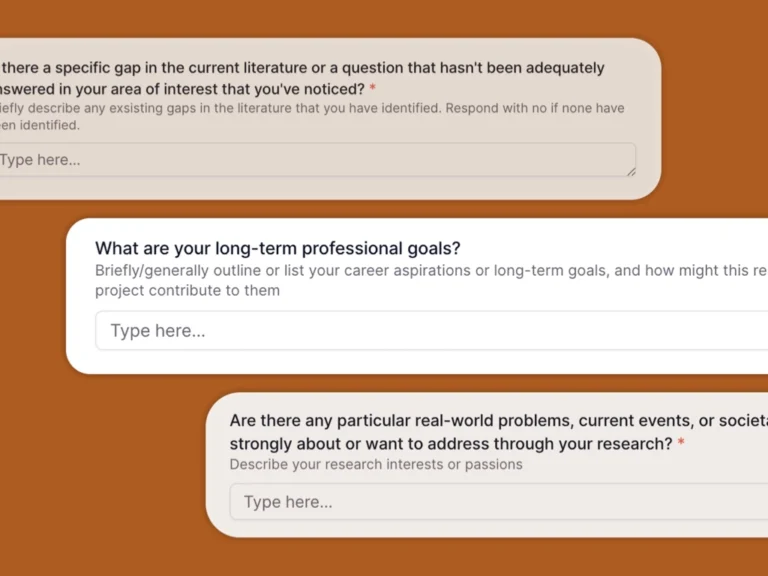


A research concept note (or concept sheet) is a short, structured document that outlines your study idea before writing a full proposal. It helps organise your thoughts, communicate with supervisors, and guide your academic research planning.
What is a Research Concept Note?
Starting a research project can feel daunting. Before diving into a lengthy proposal, many researchers use a research concept note, also called a concept sheet, to lay the foundation.
Think of it as the movie trailer for your study. It’s a concise, 1–2 page document that highlights your study’s background, rationale, research question, and aims. Its purpose? To capture the essence of your idea in a way that’s easy to share and refine.
Why is a Concept Sheet Important?
A strong concept sheet can:
- Organise your thoughts → Clarify what you want to study and why.
- Communicate effectively → Share your idea with supervisors, collaborators, or funders without overwhelming detail.
- Keep you on track → Serve as a reference point while you develop your full research proposal.
In short, it saves time, prevents confusion, and strengthens your academic research planning.
What to Include in a Research Concept Note
While formats can vary, most concept note templates include:
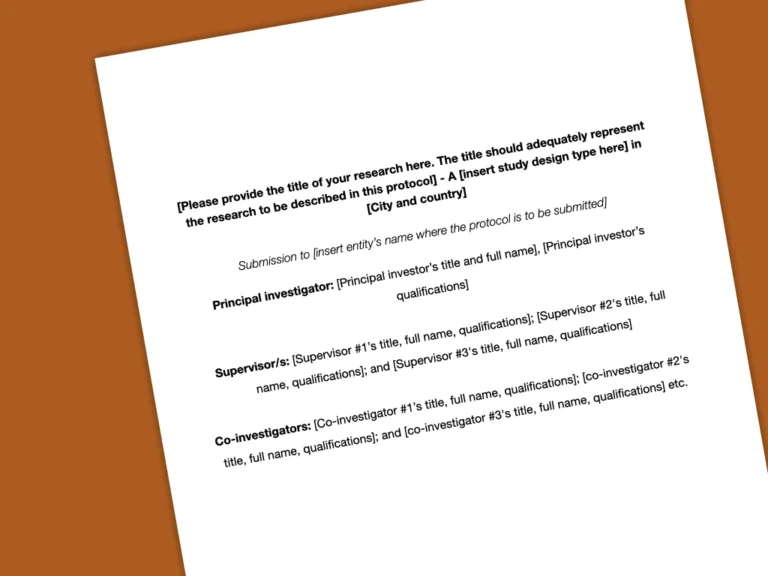
- Title – Concise, descriptive, and informative.
- Byline – Your name, qualifications, and collaborators.
- Background & Rationale – What’s known, what’s missing, and why it matters.
- Research Question – The central problem or hypothesis your study addresses.
- Study Aims – Specific goals or objectives.
- References – Key sources supporting your rationale.
Research Concept Sheet Example
Imagine you’re studying barriers to HIV treatment among adolescents in rural South Africa.
- Title: “Barriers and Facilitators of Long-Term ART Adherence Among Adolescents in Rural South Africa: A Mixed-Methods Study”
- Background: Adolescent ART adherence rates remain suboptimal in rural areas, risking poor health outcomes. Few studies explore the unique barriers in these communities.
- Research Question: What are the barriers and facilitators to long-term ART adherence among adolescents in rural South Africa?
- Study Aims:
- Identify key personal, social, and structural barriers.
- Explore facilitators that support adherence.
- Provide recommendations for healthcare interventions.
This example shows how a concept note summarises the problem, question, and goals without going into unnecessary detail.