
This research proposal guide walks you through the essential steps to prepare a strong document for ethics approval or funding. Learn the difference between a proposal and a protocol, see what to include, and access tools to streamline your academic project planning.
Writing Your Research Proposal
If you’re starting an academic project, one of your first major tasks is preparing a research proposal (sometimes called a protocol). This document is required for ethics approval and, in some cases, for funding or departmental approval.
Proposal vs Protocol: What’s the Difference?
- Protocol: A detailed, step-by-step plan of how your study will be conducted. Its primary audience is your research team and the ethics committee.
- Proposal: Often broader, aimed at funders or supervisors, and may include sections on why the project matters, team qualifications, and long-term plans.
Since the terms are sometimes used interchangeably, always follow the naming conventions used by your institution or ethics committee.
What to Include in a Research Proposal
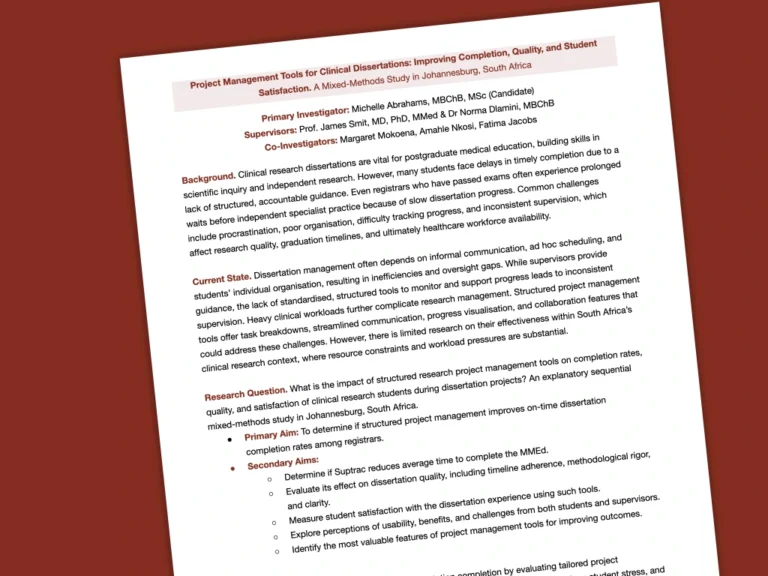
Most committees provide templates, but a strong research proposal typically covers:
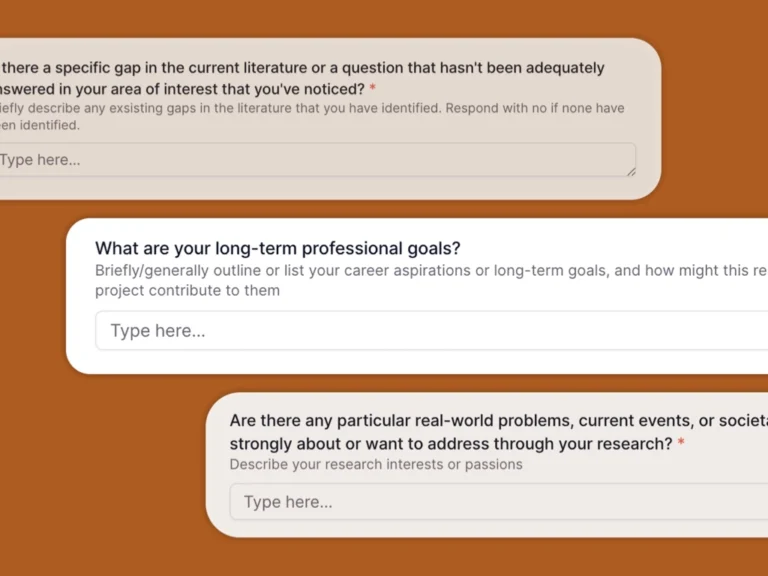
- Background and rationale (If unsure, use the Research Idea Generator to help you explore, refine, and prioritise ideas that match your research interests)
- Research question and aims (use the Research Question Validator to refine yours)
- Study significance
- Methods and analysis plan
- Risks and benefits
- Informed consent process
- Privacy and confidentiality measures
- Reimbursement for participation
- Timeline and budget
- Data storage and publication plans
- Study limitations
- Conflicts of interest
Practical Proposal Tips
- Start early: Writing and refining your proposal always takes longer than expected.
- Follow the rules: Use your committee’s templates and exact terminology (proposal vs protocol).
- Stay organised: Break the process into smaller steps and use planning tools.
- Ask for feedback: Supervisors, peers, and supervisors’ committees can provide valuable input.
Final Thoughts
A well-prepared research proposal is more than a formality, it’s your roadmap for academic success. Use structured guides, validated tools, and peer feedback to make sure your project is clear, feasible, and impactful.
Disclaimer: AI was used to optimise blog drafts for readability and SEO.